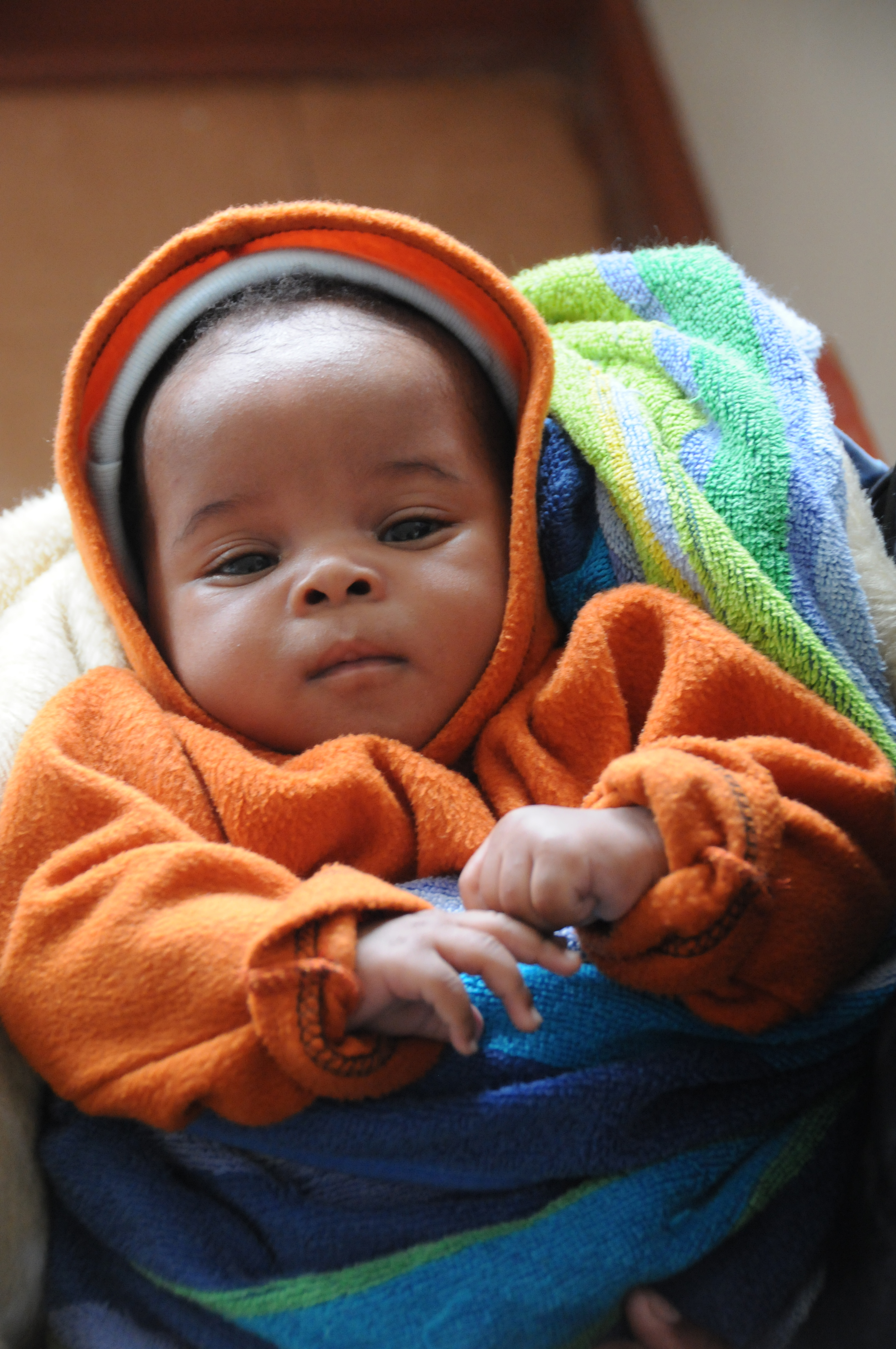
A lifesaving low-cost intervention to save newborn babies using mobile phones and donated breast milk.
Why we care: The need for donor milk across South Africa is substantial due to the devastating impact of the HIV epidemic
How we're solving this: Answering the call of hospitals to establish milk banks and mobile phone-based monitoring
Each year, more than 3.3 million newborns die within their first month of life. PATH is working to change that by enhancing a lifesaving intervention for vulnerable infants: donated breast milk. We’ve developed a unique, low-cost system that uses mobile phones to manage safe pasteurization of breast milk. Your donation can help ensure that infants in South Africa get the safe breast milk they need to thrive.
The nourishment from breast milk can mean the difference between life and death, especially for babies who are premature, very small, severely malnourished, born to HIV-positive mothers, or orphaned. The need for donor milk across South Africa is substantial due to the devastating impact of the HIV epidemic, and hospitals are requesting the urgent expansion of this simple, inexpensive system to support new babies. Heat pasteurization kills potential pathogens in donated milk, such as HIV and hepatitis, while retaining the milk’s nutritional and immunological benefits. It is a critical but expensive step in human milk banking. Commercial-grade pasteurizers can cost up to $60,000, preventing many hospitals from establishing a milk bank.
PATH and our partners created a low-tech system that allows health care providers in neonatal units to monitor the pasteurization process in real-time on their mobile phones, ensuring that the milk is heated safely and consistently every time even when commercial-grade equipment is not available. In collaboration with the University of Washington and the Human Milk Banking Association of South Africa, we recently launched this system in a district hospital neonatal intensive care unit. The easy-to-use system has significantly improved health workers’ ability to monitor pasteurization temperatures and provide safe donor milk to the vulnerable infants in their ward.
Your gift will go to establishing low-tech milk banks and phone-based monitoring at several public hospitals in resource-limited regions of South Africa. It will also enable us to train staff on human milk banking procedures, ensuring they can provide safe milk to babies who need it.
Globally, as many as 10 to 15 percent of vulnerable infants are in need of donated breast milk—they are unable to suckle or their mothers are ill or have died. Human milk banks are a crucial resource for saving these young lives. Experts in product development, nutrition, and neonatal health are working together to expand the availability of safe, simplified, and low-cost human milk banking systems and reach vulnerable infants. Join us in improving the health and survival of South Africa’s babies.